


Cocido madrileño: history, courses and how to eat it
If you are wondering what cocido madrileño is and how to eat it, this is a practical guide for Madrid. It is the capital's best-known spoon dish, ideal for autumn and winter days, and it arrives at the table in three parts known as «vuelcos». Here is what goes into it, the order you take it in, when to order it and how to plan a relaxed afternoon around the Salamanca district and El Retiro.
What is cocido madrileño?
Cocido madrileño is a slow-cooked stew of chickpeas, vegetables and several kinds of meat, all simmered for hours in a single pot. It is one of the dishes most closely tied to the city and is associated above all with the colder months, although many traditional eateries serve it for much of the year.
Its roots are usually traced to the pulse-based stews of traditional Castilian cooking, with influences that go a long way back. What is certain is that over time it became Madrid's signature spoon dish, the one for long Sunday lunches and for days when you want to sit down without hurrying.
What are the three courses of cocido?
What surprises most first-timers is that everything does not arrive at once. Cocido madrileño is eaten in «vuelcos», three servings that all come from the same broth:
- The soup: the cooking broth, usually with thin noodles. It is the first course and warms you up.
- The chickpeas and vegetables: chickpeas served with cabbage, carrot and potato, often with a drizzle of oil or a touch of garlic.
- The meats and cured sausages: the final course, with the meat from the pot, chorizo, black pudding and bacon.
In some places the order changes and the chickpeas and meats come together, but the traditional soup-first sequence is the one you will find on most menus.
What goes into a cocido madrileño?
Every kitchen has its own recipe, but a few ingredients almost always appear:
- Chickpeas, the undisputed stars of the dish.
- Seasonal vegetables, such as cabbage, carrot and potato.
- Meats such as beef or hen, together with bones and bacon that flavour the broth.
- Chorizo and black pudding, added to the pot and served in the last course.
- The «pelota», a large meatball-style dumpling of bread, egg and herbs cooked in the broth, depending on the house.
If you have an allergy or avoid certain foods, ask before ordering: it is a hearty dish with several ingredients of animal origin.
When is a good time to order cocido in Madrid?
Cocido is best enjoyed at midday and without rushing, because it is a generous dish that invites a long after-lunch chat. Cold, rainy autumn days are a perfect excuse, and if you plan a long walk afterwards it is worth choosing a gentle route at a slow pace.
Before you go, check the menu or the official website of the place you choose. Some restaurants only prepare it on certain days of the week, or ask you to let them know in advance, and it is better to check than to be surprised.
Tips for eating cocido like a local
- Arrive hungry, but not in a hurry: the three courses are meant to be taken slowly.
- Try the soup first without adding anything; it is the purest taste of the broth.
- Ask for a little tomato sauce to go with the vegetables if you fancy it: it is a widespread habit.
- Do not skip the «sobremesa», the relaxed chat at the table afterwards, which is part of the charm.
- Leave coffee or an infusion for the end and go for a stroll to help digestion.
A walk after the cocido in central Madrid
After a meal like this, nothing beats a walk. If you are in the Salamanca district, you can head down to El Retiro park; you will find a full guide in our article on what to see in El Retiro park and more ideas for this time of year in El Retiro in autumn.
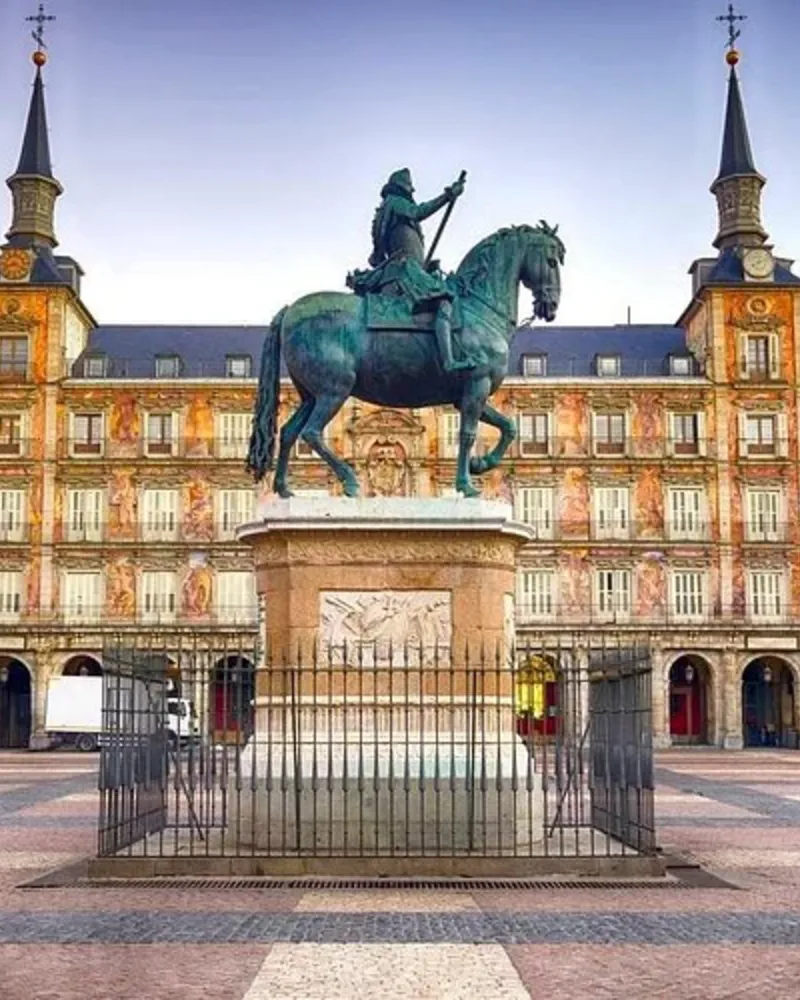
If you prefer the historic centre, the Plaza Mayor and the streets around it are the classic setting for a relaxed stroll and a way to understand where many of the city's food traditions come from.
A stop at Bingo Odonnell, in the Salamanca district
If you are staying or moving around this area, Bingo Odonnell is at Calle de O'Donnell, 21-23, 28009 Madrid, right in the Salamanca district. The nearest metro stations are O'Donnell and Goya, and El Retiro park is about a 10-minute walk away. If you come by car, there is free parking. You can see all the details on how to get there in the contact section.
The venue is open every day: Sunday to Thursday from 12:30 to 03:00, and Fridays, Saturdays and the eve of public holidays from 12:30 to 03:30. It also has a catering service for lunches, afternoon snacks and dinners in a comfortable setting; there is no need to book, and you can check the conditions in the restaurant section or by asking at the venue. Entry is for over-18s only, with a valid DNI, NIE or passport.
18+. Gambling can be addictive. Over-18s only. More information on responsible gambling.
Bingo Odonnell is an in-person bingo hall at Calle de O'Donnell, 21-23, Madrid. Open every day from 12:30. Over-18s only, with ID card, NIE or passport. Please gamble responsibly.
← Back to the blog